Slow Down to Scale Up: The Due Diligence Steps US B2B Exporters Cannot Afford to Skip

There is a particular kind of optimism that surfaces after a strong first meeting with an international prospect. The conversation flowed, the numbers seemed aligned, and the foreign buyer or distributor projected the kind of confidence that makes a deal feel inevitable. For many US B2B exporters, that feeling becomes a reason to accelerate — to move quickly before the window closes or a competitor steps in.
It is precisely this instinct that derails otherwise promising international partnerships.
The due diligence phase — the structured, deliberate process of verifying who you are actually doing business with before resources are committed — is one of the most consistently skipped steps in US export strategy. The consequences range from delayed payments and contract disputes to outright fraud, regulatory entanglement, and the quiet erosion of hard-won market access. Understanding what thorough vetting looks like, and why it accelerates rather than delays long-term growth, is essential for any US company serious about competing in global B2B markets.
The Illusion of Momentum
International business development is expensive. Travel, translation, trade show attendance, proposal development — by the time a US exporter reaches a serious conversation with a foreign partner, there is already meaningful investment on the table. That sunk cost creates psychological pressure to close, and closing quickly feels like the logical return on that investment.
But speed at the wrong stage is not efficiency. It is exposure.
Foreign markets introduce variables that domestic transactions rarely present. Legal frameworks differ. Credit reporting infrastructure varies dramatically by country. A company that appears well-capitalized in a local context may carry undisclosed liabilities that would be immediately visible in a US financial environment. A distributor with an impressive client list may have a history of exclusivity agreements that conflict directly with your market expansion goals. None of this surfaces in a first meeting. It surfaces in due diligence — or it surfaces later, at a far greater cost.
Financial Verification: The Baseline That Many Exporters Skip
For US companies accustomed to domestic credit checks and standardized financial reporting, the international equivalent can feel unfamiliar and inconvenient. In many markets, financial statements are not publicly available. Auditing standards differ. Currency fluctuations can obscure the true health of a balance sheet.
None of this makes financial verification optional. It makes it more important.
Exporters should, at minimum, request audited financial statements for the preceding two to three fiscal years, verify banking relationships through direct correspondence with the partner's stated financial institutions, and engage a local accounting firm or credit intelligence service to assess the partner's standing within the regional market. Services such as Dun & Bradstreet, Creditsafe, and regional equivalents provide commercial credit profiles for businesses in most major trade markets. The US Department of Commerce's International Trade Administration also offers fee-based background checks on foreign companies through its Gold Key Service and International Partner Search programs — resources that remain underutilized by many small and mid-sized exporters.
A partner who resists financial transparency at the vetting stage is communicating something important. Treat that signal accordingly.
Reputation Audits: What the Market Already Knows
Financial data tells part of the story. Market reputation tells the rest.
In most international trade environments, the business community within a specific sector is smaller and more interconnected than it appears from the outside. Suppliers, former clients, logistics providers, and industry associations often have direct knowledge of a prospective partner's reliability, payment practices, and conduct in disputes. Reaching those sources requires deliberate effort, but the intelligence they provide is frequently more revealing than any formal document.
US exporters should invest time in speaking with at least two or three businesses that have worked directly with the prospective partner. Industry associations in the target country, US commercial attachés at American embassies, and chambers of commerce with bilateral trade mandates are all legitimate starting points. Online research in the local language — not just English-language sources — can surface litigation history, regulatory actions, or public disputes that would otherwise remain invisible.
This kind of reputation audit is not about finding reasons to walk away. It is about entering the relationship with accurate expectations and appropriate contractual protections.
Legal Standing and Structural Clarity
The legal architecture of a foreign business partner matters in ways that become painfully apparent only when something goes wrong. Is the entity you are contracting with the actual operating company, or a subsidiary with limited liability? Does the individual signing the agreement have the legal authority to bind the organization? Are there existing exclusivity arrangements, government ownership stakes, or regulatory restrictions that affect the scope of the partnership?
US exporters should engage local legal counsel in the partner's jurisdiction before finalizing any agreement. This is not redundant to having a US attorney review the contract — it is complementary. Local counsel can identify jurisdiction-specific risks, verify corporate registration and standing, and flag structural issues that a US-based legal team would have no basis to anticipate.
The cost of this counsel is modest relative to the exposure it mitigates. A single unenforceable contract in a foreign jurisdiction can cost more in legal fees, lost inventory, and management time than years of local legal retainers.
Cultural Credibility Signals: The Due Diligence Layer That Gets Overlooked
Not all verification is documentary. In many international markets, credibility is established and communicated through behavioral signals that experienced local observers read clearly — and that US exporters frequently miss.
Does the prospective partner have established relationships with recognized institutions in their market? Do they participate visibly in industry associations, trade events, or professional networks that carry local credibility? Are their references drawn from businesses with verifiable standing, or do they consist of names that cannot be independently confirmed?
In relationship-oriented markets across Southeast Asia, the Middle East, Latin America, and parts of Africa, the strength of a partner's professional network is itself a form of financial collateral. A distributor who is well-regarded within their local business community has something to protect — and that social accountability shapes behavior in ways that contractual penalties alone cannot replicate.
Conversely, a prospective partner who struggles to provide credible references, avoids introductions to local business peers, or deflects questions about their market standing deserves scrutiny that no amount of enthusiasm should override.
The Competitive Advantage of Verification
The US exporters who build durable international businesses are not the ones who move fastest. They are the ones who move most deliberately at the moments that matter most — and the period before a partnership is formalized is unquestionably one of those moments.
Thorough due diligence does not slow market entry. It prevents the kind of failed partnerships that require years to unwind, damage brand credibility in target markets, and consume management bandwidth that should be directed toward growth. Exporters who vet thoroughly enter their partnerships with greater confidence, negotiate from a position of knowledge rather than assumption, and build the kind of long-term relationships that compound into sustained competitive advantage.
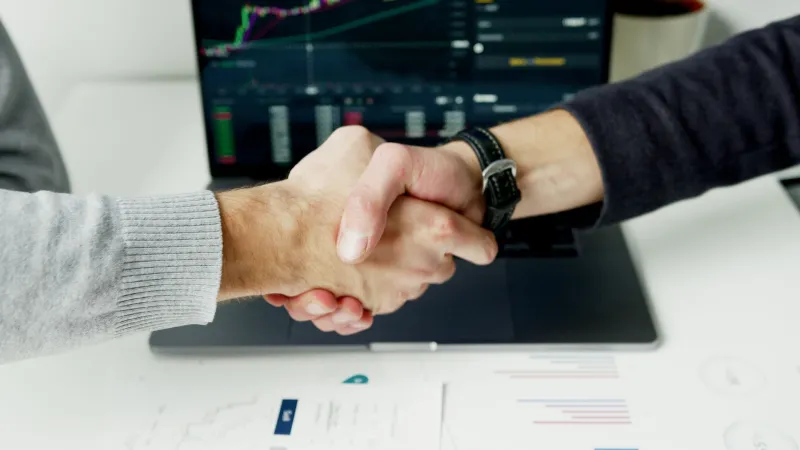
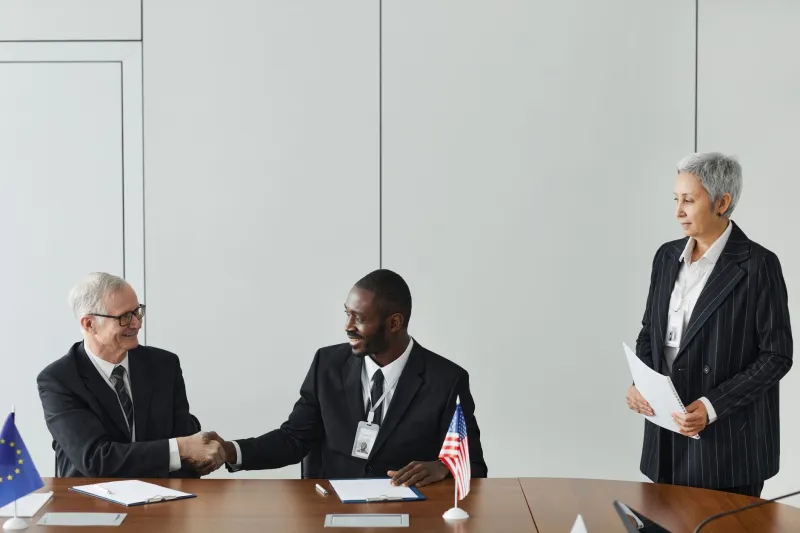
In global B2B trade, the handshake is not the beginning of trust. It is the reward for having earned it.